
Alcohol has been part of social life for thousands of years—used to unwind, celebrate, and connect with others. But despite its popularity, many people still wonder: Is alcohol a stimulant? Or is it a depressant? The answer is more complex than most realize.
Below, we break down how alcohol works in the brain, why it can feel energizing at first but sedating later, and why understanding its effects is essential for anyone concerned about alcohol use.
Key Takeaways
- Alcohol is primarily a depressant, even though small amounts may create short-term stimulating effects such as energy or elevated mood.
- Long-term alcohol use disrupts brain chemistry, increasing the risk of depression, risky behavior, poor sleep, and alcohol use disorder.
- Safe, medically supervised detox—such as programs at Magnolia City Detox—provides the safest path to withdrawal, recovery, and long-term healing.
Is Alcohol a Stimulant?
Question: Is Alcohol a Stimulant?
Answer: Alcohol can feel like a stimulant at first because it briefly increases dopamine levels, boosting confidence, energy, and sociability. However, alcohol is not classified as a stimulant. It is medically considered a depressant because it slows down the central nervous system, impairs coordination, reduces reaction time, and affects judgment as consumption increases. The stimulating effects are short-lived, while the sedative and depressive effects become stronger as blood alcohol levels rise.
Stimulants vs. Depressants: What’s the Difference?
Before determining where alcohol falls, it helps to understand how stimulants and depressants work.
What Are Stimulants?
Stimulants increase:
- Alertness
- Attention
- Energy levels
- Dopamine and norepinephrine activity
Common examples include:
- Adderall
- Ritalin
- Cocaine
- Methamphetamine
Stimulants speed up the central nervous system, making users feel awake, focused, or energized.
What Are Depressants?
Depressants slow down:
- Brain activity
- Motor function
- Response time
- Central nervous system activity
They are often used to treat:
- Anxiety
- Insomnia
- Seizure disorders
Examples include:
- Alcohol
- Opioids
- Benzodiazepines
- Sedatives
Depressants produce relaxation, drowsiness, and calming effects—but also come with high misuse potential.
Safe, medically supervised detox—such as programs at Magnolia Detox—provides the safest path to withdrawal, recovery, and long-term healing.
Does Alcohol Cause Dangerous Behavior?
 Yes. Elevated blood-alcohol levels can impair judgment, reduce inhibitions, and trigger risky behavior. This can appear in:
- Reckless sexual behavior
- Aggression
- Impaired coordination
- Drunk driving
- Poor decision-making
Like meth and other substances that alter judgment, alcohol can create a pattern of self-harm or harm toward others.
How Alcohol Works in the Brain
Alcohol impacts multiple parts of the brain at once—some stimulating and others sedating.
Why Alcohol Can Feel Stimulating at First
Early in drinking, alcohol increases dopamine in brain areas like the striatum, creating:
- Euphoria
- Confidence
- Social energy
Some people feel energized after one or two drinks because alcohol releases acetate, a chemical byproduct that temporarily boosts energy.
Why Alcohol Becomes a Depressant
As drinking continues, alcohol slows the central nervous system by enhancing GABA, a neurotransmitter that causes:
- Relaxation
- Slowed thinking
- Impaired coordination
- Drowsiness
At higher levels, the sedative effects overpower any initial stimulation.
Is Alcohol Both a Stimulant and a Depressant?
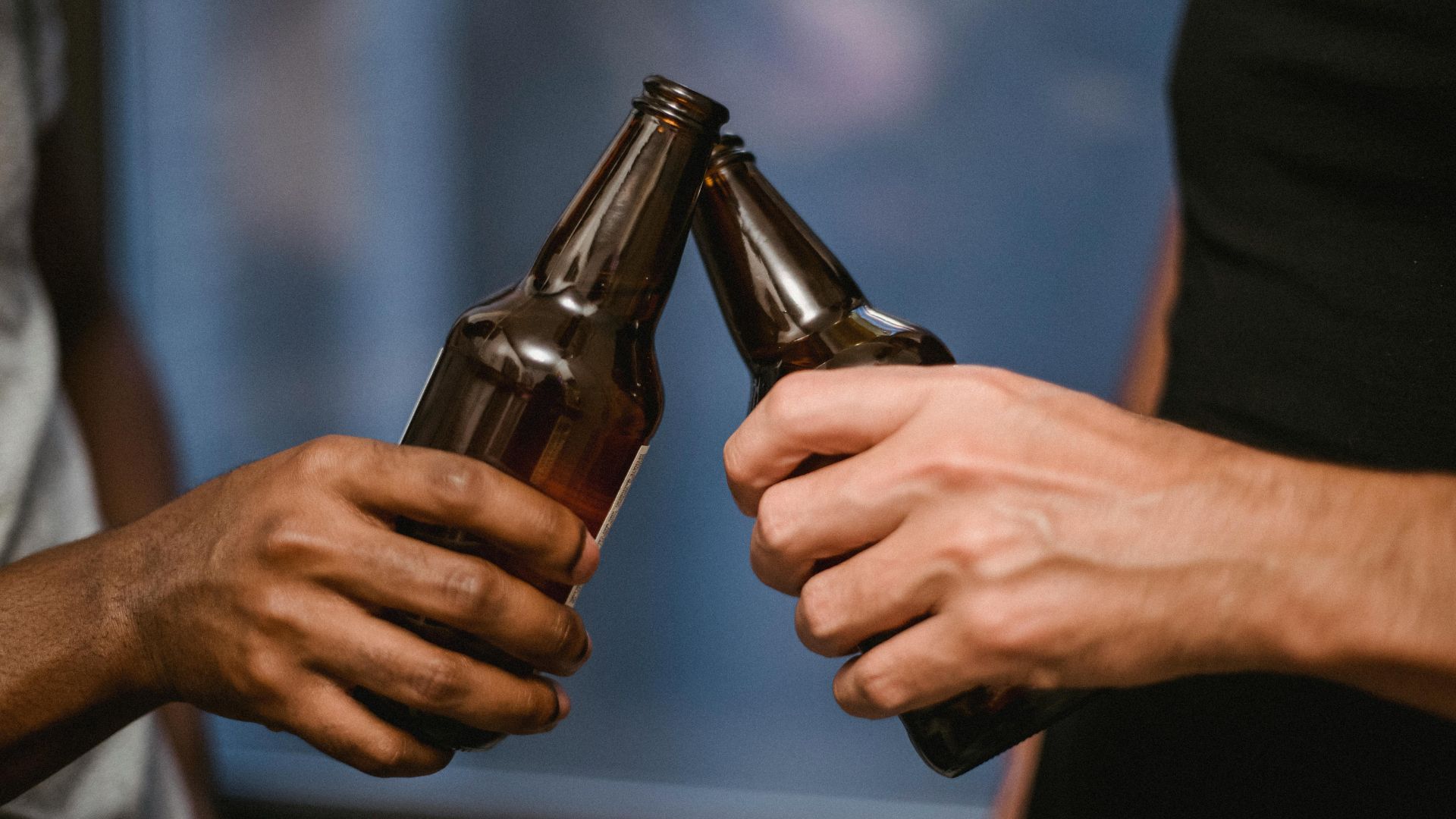 Not exactly. Clinically, alcohol is always classified as a depressant because its main effect is central nervous system suppression.
However, alcohol can have stimulant-like effects early in drinking, which is why some people feel:
- Talkative
- Energized
- More confident
- Socially outgoing
These effects are temporary and fade quickly as sedation takes over.
Why Alcohol Makes You Sleepy
Alcohol’s sedative effects stem from suppressed GABA activity. Many people drink before bed to fall asleep faster, but alcohol actually disrupts sleep quality, causing:
- Poor REM sleep
- Frequent waking
- Bathroom trips
- Interrupted circadian rhythm
- Breathing difficulties
Instead of restful sleep, alcohol leads to fatigue and lower cognitive performance.
Alcohol as a Depressant: The Long-Term Effects
Over time, alcohol reduces natural dopamine production. This can lead to:
- Depression
- Low motivation
- Chronic fatigue
- Loss of interest in activities
- Worsening mood disorders
This is one reason alcohol use and depression often feed into one another.
Alcohol and Substance Use Disorder
Alcohol use disorder (AUD) affects millions and is deeply tied to mental health.
Research shows:
- 1 in 3 people receiving addiction treatment also suffer from major depression.
- AUD worsens symptoms of anxiety, stress, and emotional instability.
This creates a cycle:
Drink to cope → feel worse → drink again.
Breaking this cycle requires professional support and structured treatment.
Treatment Options for Alcohol Use Disorder
 If alcohol is affecting your health, mood, or daily functioning, treatment can help. Options include:
Inpatient Treatment
24/7 support, structured therapy, and a safe environment to stabilize.
Outpatient Programs
Flexible Magnolia rehab and treatment while continuing work or family responsibilities.
Medically Supervised Detox
A safe, supportive environment for withdrawal—especially important for alcohol detox, which can be dangerous without medical care.
Therapy & Counseling
CBT, trauma therapy, group therapy, and individualized care help rebuild healthy coping skills.
12-Step & Peer Support
Programs that encourage long-term accountability and community support.
Healing from Alcohol Addiction at Magnolia City Detox
If alcohol is affecting your life, you don’t have to face it alone.
Magnolia City Detox, Conroe, TX, provides safe, medically supervised Magnolia detox and personalized treatment designed to help individuals break free from alcohol dependency.
At MagCityDetox, we offer:
- Medical detox with 24/7 monitoring
- Evidence-based treatment
- Emotional and mental health support
- Compassionate care from expert clinicians
- A clear path to long-term recovery
Your healing begins with one step.
Reach out to Magnolia City Detox today and reclaim control of your life.