
Methadone is commonly used in addiction treatment to help people safely reduce dependence on opioids. When prescribed and monitored correctly, it can ease withdrawal symptoms and stabilize recovery. However, methadone itself is a powerful opioid, and misuse or long-term use can lead to dependence.
This guide explains what methadone is, why it’s prescribed, how abuse occurs, potential risks, how long methadone stays in your system, and when professional detox may be necessary.
Key Takeaways
- Methadone can remain in the body for days to weeks, depending on dosage, frequency of use, metabolism, and the type of drug test used.
- Although methadone is prescribed for opioid treatment, it still carries a risk of dependence, overdose, and withdrawal when misused or taken long-term.
- Medically supervised detox at Magnolia City Detox is the safest way to stop methadone use, helping manage withdrawal symptoms and reduce health risks before ongoing treatment.
What is Methadone?
Question: What is Methadone?
Answer: Methadone is a long-acting synthetic opioid medication primarily used in medication-assisted treatment (MAT) for opioid use disorder and in some cases for chronic pain management. It works by binding to opioid receptors in the brain, reducing cravings and withdrawal symptoms without producing the intense euphoric high associated with drugs like heroin or oxycodone when taken as prescribed.
Because methadone stays in the body for a long time, it helps stabilize brain chemistry and allows individuals to function normally during recovery. However, this same long half-life also increases the risk of dependence, overdose, and withdrawal if methadone is misused, taken in higher doses, or combined with other substances.
For this reason, stopping methadone suddenly can be dangerous. Medically supervised detox—such as the care provided at Magnolia City Detox—is strongly recommended to ensure safety, manage withdrawal symptoms, and support a smooth transition into ongoing Magnolia rehab treatment.
What is Methadone and Why Is It Prescribed?
Methadone is a synthetic opioid medication sold under brand names such as Methadose and Dolophine. While chemically different from drugs like heroin or oxycodone, it binds to the same opioid receptors in the brain.
Unlike many opioids, methadone does not produce a strong euphoric high when taken as directed. Instead, it helps reduce cravings and withdrawal symptoms, making it a common medication in opioid use disorder treatment programs.
Methadone is classified as a Schedule II controlled substance, meaning it has accepted medical uses but carries a high potential for misuse and dependence.
Common Medical Uses of Methadone
- Opioid withdrawal management
- Long-term maintenance therapy for opioid use disorder
- Chronic pain management in select cases
Common Side Effects of Methadone
Even when taken as prescribed, methadone may cause:
- Drowsiness or fatigue
- Nausea or vomiting
- Constipation
- Sweating
- Dizziness or confusion
- Sleep disturbances
- Breathing difficulties (in severe cases)
Why Do People Abuse Methadone?
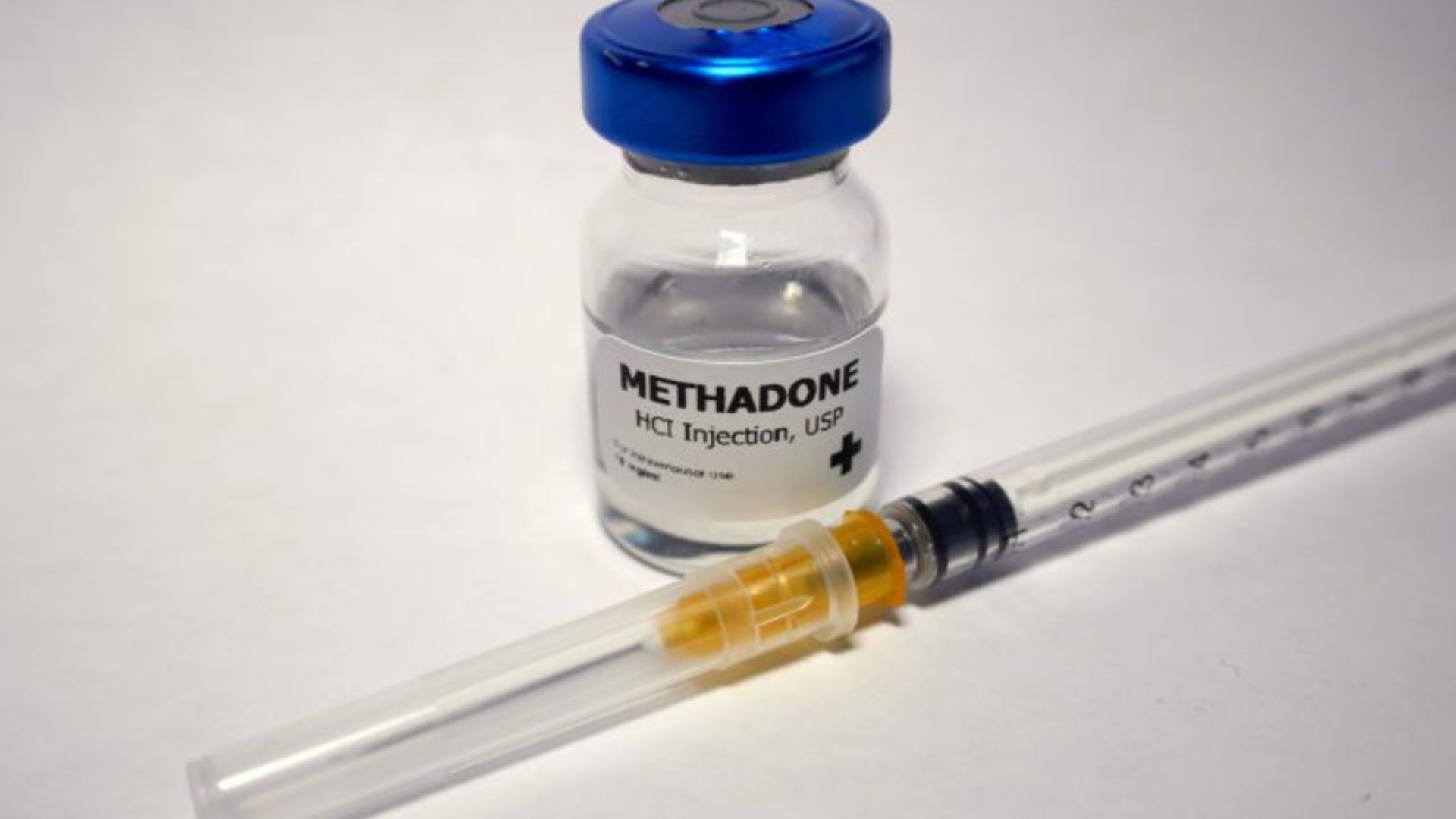 Although methadone produces less euphoria than other opioids, some individuals misuse it for its sedating or pain-relieving effects. Others may abuse methadone after developing tolerance during detox treatment in Houston, TX, or by taking doses higher than prescribed.
Effects That Contribute to Methadone Misuse
- Sedation or relaxation
- Mild euphoria
- Altered perception
- Pain relief
- Drowsiness or light-headedness
Because methadone stays in the body longer than many opioids, misuse increases the risk of overdose—especially when combined with alcohol or other depressants.
Health Risks of Methadone Abuse
Abusing methadone can lead to serious physical and mental health consequences. Over time, dependency and addiction may develop.
Potential Dangers Include:
- Respiratory depression
- Cardiac complications
- Severe constipation
- Cognitive impairment
- Loss of coordination
- Overdose
- Coma or death
Medical supervision is critical due to methadone’s long half-life and unpredictable effects.
How Long Does Methadone Stay in Your System?
The length of time methadone remains detectable depends on several factors, including dosage, frequency of use, metabolism, age, body composition, and liver function.
On average, methadone can remain in the body from several days up to two weeks after the last dose.
Methadone Detection by Drug Test Type
Blood Testing
- Detectable within 30 minutes
- Remains for up to 3 days
- Rarely used due to invasiveness and cost
Urine Testing
- Detectable within 1–24 hours
- Can remain detectable for up to 14 days
- Most commonly used testing method
Hair Testing
- Detectable after 7–10 days
- Can be used for up to 90 days
- Best for identifying long-term use
Saliva Testing
- Detectable within 20 minutes
- Remains for up to 10 days
- Non-invasive and cost-effective
Why is Methadone Drug Testing Used?
Methadone testing may be required by:
- Employers
- Treatment programs
- Legal systems
- Athletic organizations
Standard drug panels often do not detect methadone, so specialized tests are required.
Can You Get Treatment for Methadone Dependence?
 Yes. While methadone is used to treat opioid addiction, it can also become the substance that requires Magnolia detox treatment.
The Importance of Medical Detox
Methadone withdrawal can be prolonged and uncomfortable. Detox should never be attempted alone. A medically supervised detox ensures safety and symptom management.
At facilities like Magnolia City Detox, Conroe, TX, individuals receive 24/7 medical monitoring to reduce risks during withdrawal.
Detox professionals may:
- Gradually taper methadone doses
- Use alternative medications when appropriate
- Monitor vital signs and withdrawal symptoms
What Happens After Methadone Detox?
Following Medical detox, individuals may transition into:
- Inpatient treatment programs
- Outpatient treatment programs
- Ongoing therapy and recovery support
Treatment plans are personalized based on individual needs, severity of dependence, and lifestyle considerations.
Get Help at Magnolia City Detox
If methadone use has become difficult to manage—or if you’re concerned about dependence—professional help is available.
MagCityDetox provides medically supervised detox services designed to help individuals safely begin recovery. Our team also assists with placement into ongoing treatment programs after detox is complete.
Taking the first step toward recovery starts with safety, support, and expert care.