 Drug tests can be administered for a number of reasons. Employers will often require a drug test to be taken before they offer a new perspective employee a job. Treatment centers and rehab facilities will often require random drug screening as part of their program. In some cases, you might even be asked to submit to a drug test when getting new health insurance.
While most of the time, a drug test is just a simple formality, if you are someone that is medically prescribed a drug that you are worried could result in a positive drug test, such as Suboxone, just the thought of having to go through a screening can be nervewracking. You might be pleasantly surprised to find out though that you have nothing to worry about.
If you have ever wondered, “does Suboxone show up on a drug test?”, keep reading to find out.
What is Suboxone?
Suboxone is a drug that is administered to those who are in treatment for opioid abuse and addiction. It is a combination of buprenorphine and naloxone. Buprenorphine is used to help ease withdrawal symptoms, eliminate cravings, and re-establish normal brain function while Naloxone is an opioid blocker that prevents opioids from latching on and taking effect.
How Long Will Buprenorphine Stay in My System?
Since technically buprenorphine is considered an opioid, people who are taking Suboxone may be concerned that it could cause a positive result on a drug test, especially if they are looking for a new job either while in treatment or after treatment.
While everyone processes any type of substance differently, traces of buprenorphine can remain in your system for up to 14 days after taking Suboxone. As is the case with anything, the more Suboxone you take, the more buprenorphine will be in your system which can also affect the amount of time it takes to completely leave your system.
Will Suboxone Show Up on a Standard Drug Test?
The standard drug test that is used for either a pre-employment drug screening or an ongoing employment screening is known as a five-panel drug test. It is called a five-panel test because it tests for five types of substances. The five substances are:
- Marijuana
- Opioids
- Cocaine
- PCP
- Amphetamines
While opioids are on that list, five-panel tests don’t typically pick up Suboxone. In order for Suboxone to show up on a standard urine drug test, the employer would have to order an extended test that would then include either buprenorphine or naloxone. These extended drug screens can often be pricey which is why most employers won’t use them.
Does Intake Method Affect the Drug Test?
The simple answer to this is no. A standard drug test won’t pick up any traces of Suboxone regardless of intake method. On the flip side of that, a drug screening that can detect Suboxone will pick it up no matter how it is taken.
What Are the Most Common Types of Drug Tests?
While there are many different methods of drug testing, some are more common than others.
Is Suboxone Detectable on Any Panel Tests?
As we touched on above, the standard drug test for employers is a five-panel drug test. The five-panel screening tests for marijuana, opioids, cocaine, PCP, and amphetamines.
While they aren’t as commonly used, there are two other “panel” drug screenings that are used.
A 10-panel drug test will detect the following:
- Cocaine
- Opioids
- Amphetamines
- Marijuana
- PCP
- Methadone
- Benzos
- Barbiturates
- Quaaludes
- Propoxyphene
Does Suboxone Show Up On a 12-Panel Drug Test?
In most cases, Suboxone will not show up on a 12-panel drug test. The 12-panel drug test is an extension of the 10-panel test, with the addition of MDMA and oxycodone. Therefore, on a 12-panel test, drugs tested typically include benzodiazepines, barbiturates, cocaine, amphetamines, methadone, THC, methaqualone, oxycodone, propoxyphene, PCP, Ecstacy/MDMA, and opiates.
Do Employers Test for Suboxone?
Federal employers are not allowed to test for Suboxone when issuing a drug screening. However, private employers can test for Suboxone if they choose to. However, employers are not legally allowed to discriminate against those who test positive for Suboxone if they are being medically prescribed the substance by a licensed physician or provider.
Should I Let My Employer or Possible Employer Know That I Am Taking Suboxone Before the Drug Screening?
While you have no legal obligation to tell your employer or prospective employer that you are taking Suboxone, doing so might be helpful in certain situations. If you are concerned that you might test positive for Suboxone and that doing so could jeopardize your employment, informing your employer that you are taking the substance will eliminate any sort of shock factor from all parties if/when the test comes back positive.
What Do I Do If I Test Positive For Suboxone?
 If you test positive for Suboxone and didn’t give your employer or prospective employer a heads up in advance, there is still no need to freak out. It’s important to be honest and let your employer know that you are taking Suboxone as part of your treatment for substance abuse. You can even offer to, or bring in a note from your physician or treatment provider verifying that you are taking the substance legally and for a specific purpose.
While it is illegal for an employer to fire or deny employment to a person because they are prescribed Suboxone, an employer is legally allowed to fire someone or deny them employment for being dishonest so it is always a good idea to be upfront with an employer when it comes to drugs that you are taking that may show up on a drug screening.
Does Suboxone Show Up on a Drug Test?
While Suboxone does not typically show up on standard drug tests, if you are concerned that you might pop a positive test and it could affect your employment, it is always a good idea to be upfront and honest with your employer or prospective employer.
At Magnolia Detox, we offer Suboxone as part of our medical detox program. We use Suboxone in order to help make the detox process more comfortable as well as help squash any potential cravings you may have.
In addition to our medical detox, we also offer detox programs for the following substances:
- Alcohol
- Benzos
- Prescription drugs
- Fentanyl
- Opiates
- Cocaine
- Heroin
It’s important to remember that before the treatment process can begin, you must first undergo detox to rid the body of any and all harmful substances. If you or someone you know is suffering from a substance abuse issue and needs to go through detox before they begin treatment, contact us today. In addition to providing the best detox care possible, we will also work with you to find a treatment center that best fits you and your needs once detox has been completed.

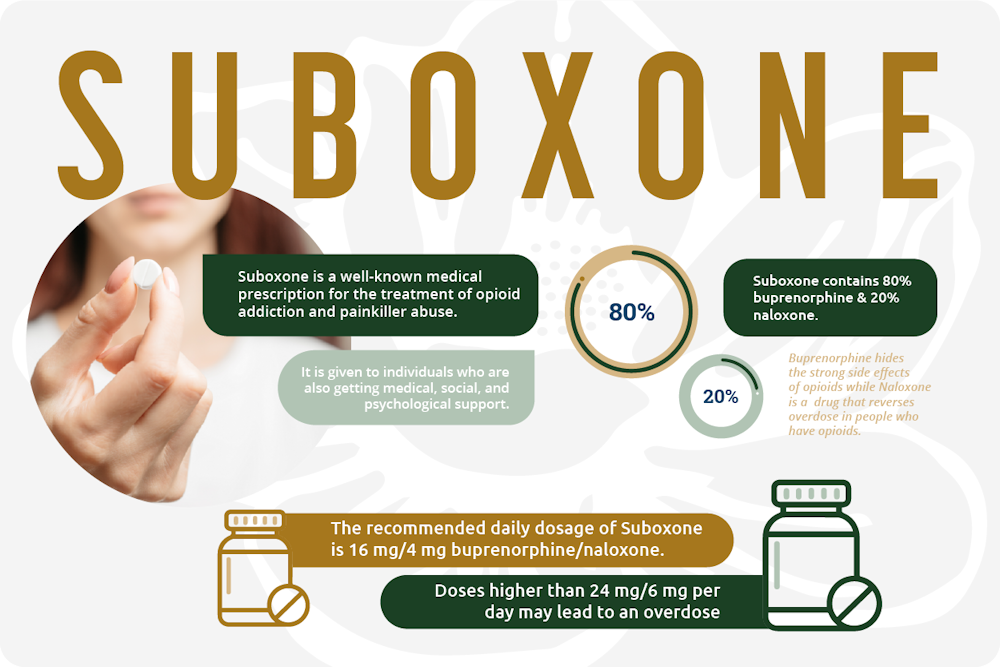 Suboxone is a prescription medication used in
  1. Urine Test (Most Common)
 At
At