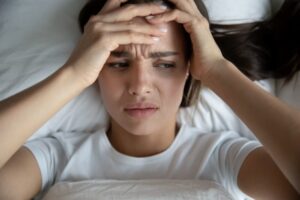
alcohol sweatsDrinking alcohol is a common social activity and a source of relaxation for many people. While moderate alcohol consumption may have some health benefits, it also leads to a range of negative consequences, such as alcohol sweats. Excessive alcohol use can lead to alcoholism, or alcohol addiction, which often requires detox and residential addiction treatment.

You probably understand the feeling if you regularly use alcohol. Alcohol may help you feel emotionally rested, but it also makes you physically hotter! Do you know why drinking alcohol causes you to start sweating? Come, let’s find out.

Alcohol Withdrawal and Excessive Sweating

Sweating is the process by which the body regulates its temperature. It is a normal physiological response to elevated body temperature, physical activity, stress, or other stimuli. Sweat is produced by sweat glands in the skin and is composed of water, salt, and other substances. When sweat evaporates from the skin’s surface, it cools the body and helps regulate body temperature.

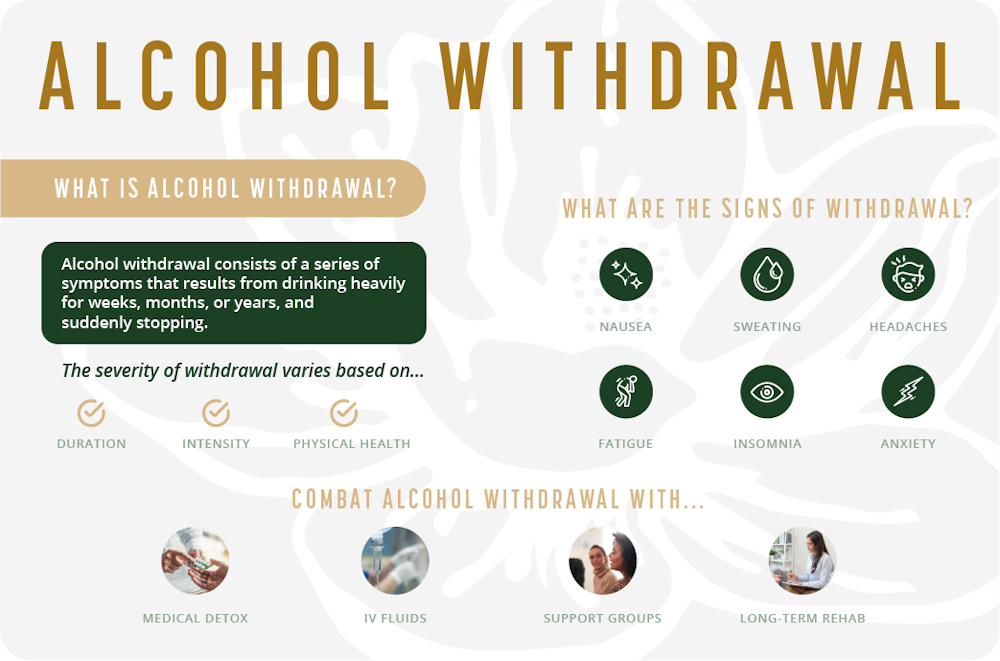
When a person who has been drinking heavily suddenly stops or significantly reduces their alcohol consumption, alcohol withdrawal occurs. Alcohol is a central nervous system depressant; over time, the body becomes dependent on its presence. When the person stops drinking, the body goes into withdrawal, and various symptoms can develop.

Alcohol Sweats

Alcohol sweat is a common symptom of alcohol withdrawal. It is a condition in which an individual suffers from excessive sweating after consuming alcohol. It is a common side effect of drinking and is caused by the body’s attempt to eliminate the toxic effects of alcohol. Alcohol sweat can range from mild to severe and can be accompanied by other symptoms such as flushing, nausea, and headaches. It varies in frequency and severity from person to person, but it is typically considered a natural response to alcohol consumption. While mild sweating from alcohol withdrawal may not indicate a serious problem, excessive sweating may call for medical care.

Night Alcohol Sweats

Night sweats after drinking alcohol are another sign of alcohol withdrawal. It is excessive sweating that occurs during the night, leading to a drenching of the bedclothes and sheets. It is often a symptom of an underlying medical condition, such as infections, hormonal imbalances, or certain cancers, but can also be caused by medications, alcohol, or menopause.

Night sweating from alcohol withdrawal is uncomfortable and disturbing for sleep. It is important for individuals undergoing this condition to receive medical supervision, as it can be dangerous without the appropriate care. A healthcare professional can provide appropriate treatment and support to manage withdrawal symptoms and help individuals through the detoxification process. If night sweats are affecting daily activities or causing distress, it is important to seek medical advice.

What are the Common Symptoms of Alcohol Withdrawal

Mild symptoms can appear as little as six hours after you put down your drink. These symptoms may consist of the following:

  • anxiety
  • nausea
  • shakiness
  • nightmares
  • insomnia
  • fatigue
  • headaches
  • loss of appetite
  • body aches
  • restlessness
  • muscle pains
  • fever
  • agitation

More serious issues, such as seizures and hallucinations, can start 12 to 24 hours after you stop drinking. It allows you to see, sense, or hear things that aren’t actually present. Other severe symptoms include

  • vomiting
  • rapid heart rate
  • heart palpitations
  • high blood pressure
  • tremors
  • confusion

Delirium tremens, or DTs as you’ll commonly hear them called, usually start two to three days after you stop drinking. In some cases, symptoms may start to appear up to 10 days after your last drink. The following are examples of DT symptoms that can swiftly get worse:

  • body tremors
  • changes in mental function
  • irritability
  • confusion, disorientation
  • decreased attention span
  • deep sleep lasting for a day or longer
  • delirium
  • excitement
  • fear
  • hallucinations
  • increased activity
  • quick mood changes
  • sensitivity to light, sound, or touch
  • sleepiness
  • fatigue
  • seizures

If you experience these symptoms along with regular night sweats, you may be going through alcohol withdrawal. Make sure to consult your doctor right away!

Why Does Drinking Alcohol Make Me Sweat More?

sweating from alcohol

Alcohol increases sweating through a variety of different mechanisms. First off, alcohol opens blood vessels, acting as a vasodilator to increase blood flow and body warmth. Sweating can be a result of this increased body temperature and serve as a cooling mechanism. Second, alcohol stimulates sweat glands, which causes further sweating. Lastly, dehydration brought on by drinking alcohol can also increase your sweat as your body strives to maintain a fluid balance.

Sweating from alcohol withdrawal can vary in intensity based on a person’s tolerance level, overall health, and the amount of alcohol they consume. Some other physiological changes caused by alcohol include flushing, tachycardia (increased pulse), and an increase in blood pressure.

Tips on Dealing Alcohol Night Sweats

People who occasionally drink alcohol and experience light night sweats may find relief from home remedies. Following are some suggestions when dealing alcohol night sweats:

  • Keep your bedroom cool. A cool bedroom can help to lessen nighttime sweating. Consider using a fan or air conditioning to keep your room cool.
  • Wear breathable, light clothing while sleeping. Cotton or bamboo fabrics are breathable and light. These clothes can help you keep cool and minimize perspiration.
  • Stay away from triggers. You might experience more night sweats if you consume certain meals, beverages, or medicines while under the influence of alcohol. Try to identify any triggers and stay away from them as much as possible.
  • Keep hydrated. Keep yourself hydrated because doing so will help you control your body’s temperature and lessen night sweats. It replaces fluid you have lost through sweating. Aim to consume eight glasses of water or more each day.
  • Maintain good sleep hygiene. A regular sleep schedule can help you lessen night sweats. Abstaining from caffeine and alcoholic beverages before bed, and creating a soothing nighttime routine can help you have a good sleep.
  • Shower before bedtime. Showering can help feel more comfortable by removing extra sweat and salt from the skin.

On the other hand, if people are sweating from alcohol withdrawal and it is persistent and affecting their daily lives, it is crucial to see a doctor. A healthcare professional can provide appropriate treatment and support to manage withdrawal symptoms, including night sweats, and help individuals through the detoxification process. Treatment options may include medications to manage symptoms, behavioral therapies, and support groups.

It is important to keep in mind that these tips may not work for everyone and that the best approach for dealing with night sweats will depend on the underlying cause. If you have any questions or concerns about night sweats, it is best to speak with a healthcare professional. Learn more about addiction treatment programs in Texas here, or contact Magnolia City Detox to start treatment.

How Much Alcohol is Recommended to Drink?

The safe amount of alcohol to drink is subjective and depends on several factors, including age, weight, gender, overall health, and tolerance to alcohol. The guidelines for low-risk drinking vary depending on the country. Based on the Centers for Disease Control and Prevention (CDC) guidelines, adults who are of legal drinking age may decide to abstain from alcohol consumption or to limit their intake to no more than 2 drinks for males and no more than 1 drink for women each day.

It’s critical to remember that these are only recommendations and cannot ensure that drinking will not have a negative impact on a person. Binge drinking is seen as a pattern of alcohol consumption and can have adverse effects on one’s health. It is defined as consuming 4 or more drinks in 2 hours for women and 5 or more drinks in 2 hours for males.

Additionally, some people should not drink any alcohol at all. These people include:

  • those who are or may become pregnant
  • those who are on a certain medication
  • those who have certain medical conditions
  • those who are under 21 years old
  • and those who have a history of alcohol misuse

If you have trouble avoiding alcohol, this could mean you have an alcohol use disorder, which is also known as alcohol addiction or alcoholism. It is best to speak with a healthcare provider if you have any worries.

Find The Best Addiction Treatment Programs You Need at Magnolia City Detox

A licensed residential detox center that offers safe, effective medical detox in a comfortable environment

sweating from alcohol withdrawal

FAQs

Alcohol night sweats are caused by alcohol withdrawal, as the body becomes dependent on alcohol and experiences withdrawal symptoms when it is no longer present. The severity of it varies depending on factors such as the duration and amount of alcohol consumption, overall health, and previous withdrawal experiences.

Alcohol night sweats can be treated by managing alcohol withdrawal symptoms through some home remedies for mild symptoms and with medical supervision for severe symptoms.

Alcohol night sweats can be prevented by reducing or stopping alcohol consumption. If you are concerned about alcohol withdrawal and night sweats, it is best to seek medical advice before making any changes to your alcohol consumption.

Alcohol withdrawal symptoms, including night sweats, peak within the first 24 to 48 hours after the last drink and subside within 5 to 7 days. Symptoms can persist for weeks or even months, and it is important to seek medical advice if symptoms are affecting daily activities or causing discomfort.

The safety of drinking alcohol depends on several factors, including age, weight, and gender. Alcohol can cause negative health effects, including addiction and withdrawal symptoms such as night sweats. If you are concerned about alcohol and night sweats, it is best to speak with a healthcare professional.

Accessibility Toolbar

Alcohol Sweats: Are They a Sign of Alcohol Withdrawal?

Drinking alcohol is a common part of social gatherings and unwinding after a long day. But while alcohol may temporarily make you feel relaxed, it also raises your body temperature—and for many people, that means sweating.

Occasional sweating after a drink might not seem alarming, but excessive sweating, night sweats, or sudden hot flashes can be signs of alcohol withdrawal, especially in people who drink heavily or regularly.

If alcohol sweats are becoming frequent, uncomfortable, or paired with other symptoms, it may be time to understand what’s happening inside your body and when to seek help.

Key Takeaways

  • Alcohol sweats and night sweats can be early signs of alcohol withdrawal, especially in people who drink regularly or heavily.
  • Severe sweating paired with shaking, confusion, or hallucinations requires immediate medical attention, as it may signal dangerous withdrawal symptoms.
  • Safe detox at a facility like Magnolia City Detox can reduce risks and make withdrawal more comfortable, offering 24/7 monitoring and professional support.

What Are Alcohol Sweats?

Question: What Are Alcohol Sweats?

Answer: Alcohol sweats refer to episodes of excessive sweating that occur either while drinking, after drinking, or during alcohol withdrawal. These sweats happen because alcohol affects the body’s nervous system, blood vessels, and temperature regulation. When alcohol enters the bloodstream, it causes blood vessels to widen, which can make you feel warm and trigger sweating.

For people who drink heavily or regularly, sweating—especially at night—can be a sign that the body is struggling to process the alcohol or may already be experiencing early withdrawal. Alcohol sweats can also come with shaking, anxiety, rapid heartbeat, or dehydration.

Although sweating itself is not dangerous, persistent or severe alcohol sweats may signal a deeper issue, such as alcohol dependence or withdrawal. Professional medical detox programs near Houston, TX, like those available at Magnolia City Detox in Conroe, TX, offer safe monitoring and support for people experiencing these symptoms.

If you want, I can also integrate this into your blog smoothly.

Alcohol Withdrawal and Sweating: Why It Happens

Alcohol Sweats: Are They a Sign of Alcohol Withdrawal?Sweating is your body’s natural cooling mechanism. During alcohol withdrawal, the system that regulates temperature becomes overstimulated.

Since alcohol is a central nervous system depressant, the body adjusts to its presence. When you suddenly stop or reduce drinking, the nervous system becomes overactive—triggering symptoms like sweating.

Common physical reactions during withdrawal include:

  • Elevated heart rate
  • Anxiety or restlessness
  • Hot flashes
  • Increased body temperature
  • Excess perspiration

If sweating is extreme or paired with confusion, shaking, hallucinations, or seizures, medical attention is urgently needed.

Night Sweats After Drinking Alcohol

Night sweats from alcohol feel different from overheating in sleep. They may drench clothing and bedding, interrupt sleep, and cause anxiety about lying down again.

While night sweats can also happen due to infections, hormonal conditions, medications, or menopause, they are very common in alcohol withdrawal. They often begin within hours after the last drink.

Night sweats during Magnolia detox can be dangerous without medical supervision. A doctor or detox program can monitor symptoms and prevent complications like seizures or dehydration.

Symptoms of Alcohol Withdrawal

Withdrawal symptoms vary based on drinking habits, length of use, and overall health.

Mild Symptoms (6–12 Hours After Last Drink)

  • Anxiety or irritability
  • Nausea or vomiting
  • Headaches
  • Sweating or chills
  • Shakiness
  • Insomnia
  • Loss of appetite
  • Fatigue
  • Muscle aches
  • Restlessness

Moderate to Severe Symptoms (12–48 Hours)

  • Rapid heart rate
  • High blood pressure
  • Confusion
  • Severe agitation
  • Hallucinations (seeing, hearing, or feeling things that aren’t real)
  • Persistent vomiting
  • Fever

Delirium Tremens (DTs) – A Medical Emergency

DTs usually begin 48–72 hours after the last drink and may last up to 10 days.

Symptoms include:

  • Full-body tremors
  • Severe confusion or disorientation
  • Delirium
  • Seizures
  • Extreme mood swings
  • Sensitivity to light and sound
  • Deep, prolonged sleep
  • Racing heart or dangerously high blood pressure

If night sweats are accompanied by these symptoms, seek medical help immediately.

Why Does Alcohol Make You Sweat?

Alcohol triggers sweating for several reasons:

  1. Vasodilation
    Alcohol widens blood vessels, making you feel warmer and triggering sweating to cool down.
  2. Stimulation of Sweat Glands
    Alcohol increases activity in the glands that produce sweat.
  3. Dehydration
    Alcohol removes fluids from the body. As the body tries to regain balance, sweating may increase.
  4. Overactive Nervous System
    During withdrawal, the nervous system becomes overstimulated, causing shaking, sweating, and anxiety.

How to Reduce Night Sweats From Alcohol

For occasional drinkers, simple changes may help:

Home Remedies for Mild Symptoms

  • Keep your room cool with a fan or AC
  • Wear lightweight, breathable clothing
  • Avoid spicy food, caffeine, and alcohol near bedtime
  • Drink plenty of water throughout the day
  • Take a cool shower before bed
  • Maintain a healthy sleep routine

However, if night sweats result from withdrawal, home remedies are not enough. Magnolia rehab and detox is the safest approach.

When to See a Doctor

Seek medical help if:

  • Sweats are intense or persistent
  • Sweats follow heavy drinking or stopping alcohol suddenly
  • You experience withdrawal symptoms (shaking, hallucinations, anxiety, confusion)
  • Sweats disrupt your sleep for multiple nights
  • You have medical conditions that alcohol may worsen

A medical detox program can help you withdraw safely and prevent dangerous complications.

How Much Alcohol is Safe to Drink?

According to the CDC:

  • Men: Up to 2 drinks per day
  • Women: Up to 1 drink per day

Some individuals should not drink at all:

  • Pregnant individuals
  • People under 21
  • Those taking certain medications
  • Anyone with medical restrictions
  • Individuals recovering from alcohol addiction

If you find it difficult to limit your alcohol intake, it may be a sign of alcohol use disorder.

Find Safe, Effective Treatment at Magnolia City Detox

Alcohol Sweats: Are They a Sign of Alcohol Withdrawal? MagCityDetox provides 24/7 medical supervision, comfortable accommodations, and compassionate care to help you withdraw from alcohol safely. If you're experiencing alcohol sweats, night sweats, or other withdrawal symptoms, a medically monitored detox can make the process safer and more comfortable.

FAQs

1. What causes alcohol night sweats?

Alcohol night sweats are most often caused by alcohol withdrawal, where the nervous system becomes overactive without alcohol. They may also occur due to dehydration or alcohol’s effect on body temperature.

2. How are alcohol night sweats treated?

Mild cases may be managed at home, but persistent or severe sweating during detox requires medical supervision, medications, and supportive care.

3. Can alcohol night sweats be prevented?

They can be prevented by reducing alcohol intake or stopping safely under medical guidance. Heavy drinkers should never quit abruptly without help.

4. How long do alcohol night sweats last?

Withdrawal-related sweating usually peaks within 24–48 hours and improves in 5–7 days, but some symptoms may last longer.

5. Is it safe to continue drinking if I experience night sweats?

Night sweats may indicate alcohol dependence. Continuing to drink may worsen the issue. Speak with a healthcare provider before making changes.

Contact Us

Table of Contents
Scroll to Top